Trading often looks simple from the outside, but in reality, it involves constant decision-making under uncertainty. Markets move quickly, conditions change without warning, and even well-planned trades can behave unexpectedly. At times, it is not the strategy but the execution, timing, or emotional control that becomes the bigger challenge. Many traders experience phases where consistency becomes difficult despite having knowledge or experience.
Different traders face different difficulties depending on their style, experience, and current market conditions. What feels easy for one person might be challenging for another.
It can be interesting to reflect on:
• Which part of trading feels the most challenging right now
• Whether the challenge is related to entries, exits, or holding trades
• If managing risk or controlling emotions feels difficult
• Any situation where decision-making becomes unclear
• How these challenges change over time with experience
Some may find waiting difficult, some may struggle with exits, while others may find consistency the biggest challenge.
If any challenges are related to platform usage, tools, or access to information, feel free to mention them. Support or guidance can be provided wherever possible.
Different perspectives can help highlight common challenges across the community.
What is the most difficult part of trading for you right now?
Doing Nothing: It’s really hard to sit still and wait for the right moment. Most people lose money because they get bored or impatient and jump into a bad trade just to “do something.”
The Exit Struggle: It’s easy to buy, but knowing when to sell is stressful. You’re always stuck between being greedy (wanting more profit) and being scared (fear of losing what you’ve already made).
Emotional Control: When real money is on the line—especially with high stakes—it’s hard to follow your plan. Your brain wants to panic or overreact when things don’t go perfectly
when i am loosing streak i lost captial which is most painful
Sitting through a deep drawdown (DD) when dealing with a black swan event, i.e., current oil/geopolitical crisis - watching 1-yr and 10-yr median DDs as per monte carlo simulation (MC) go by.
It’s one thing to backtest and do MC/DD calculations but quite another to deal with bad-turning-to-worst sequence of returns risk.
Mohseen sir, 6+ years in this game and I can say one thing for sure: the charts don’t beat you, your own boredom does.
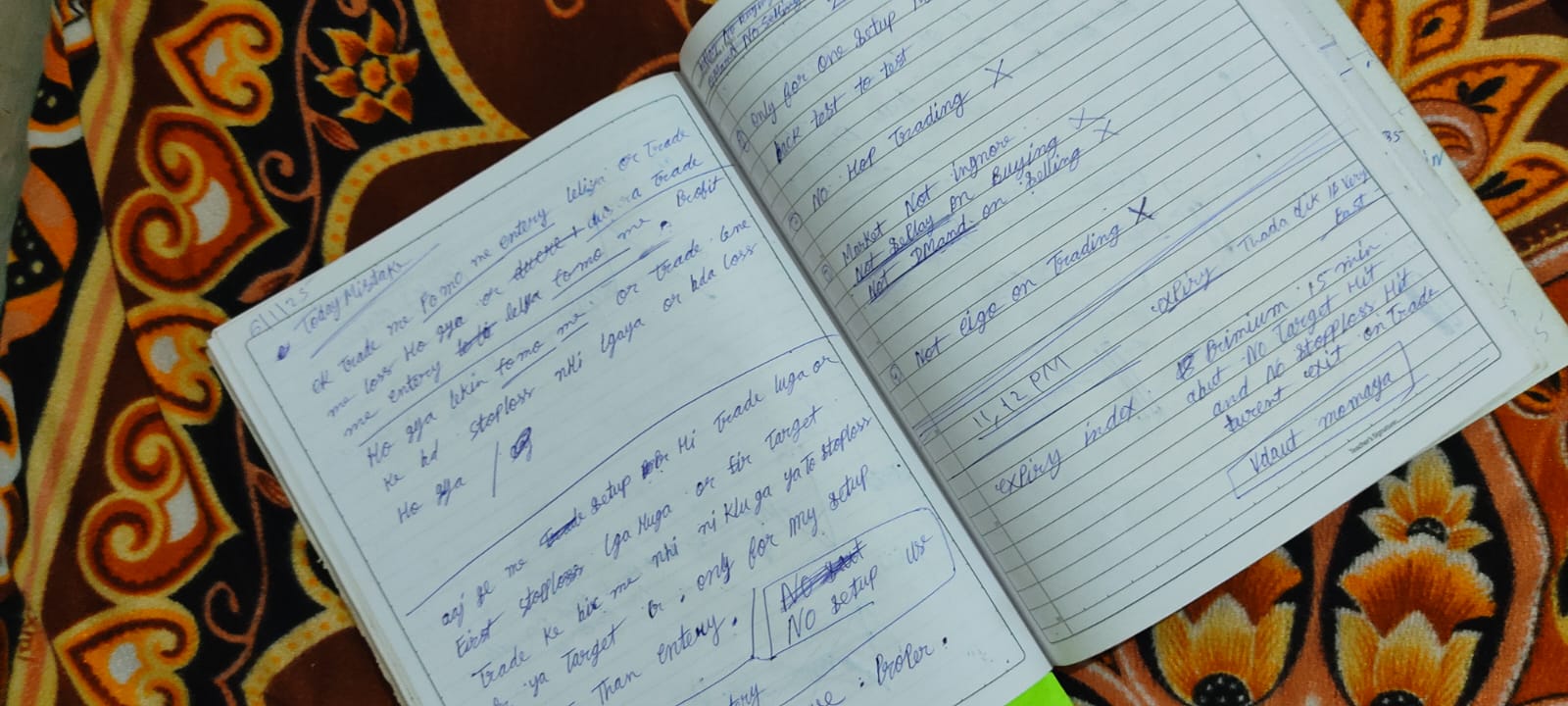
Honestly, I used to hate journaling. It felt like a burden. But today, it’s just like having a meal—I do it without even thinking. Now, if I don’t have a solid reason to write a trade in my journal, I simply don’t take it. That ‘urge’ to trade for no reason is gone.
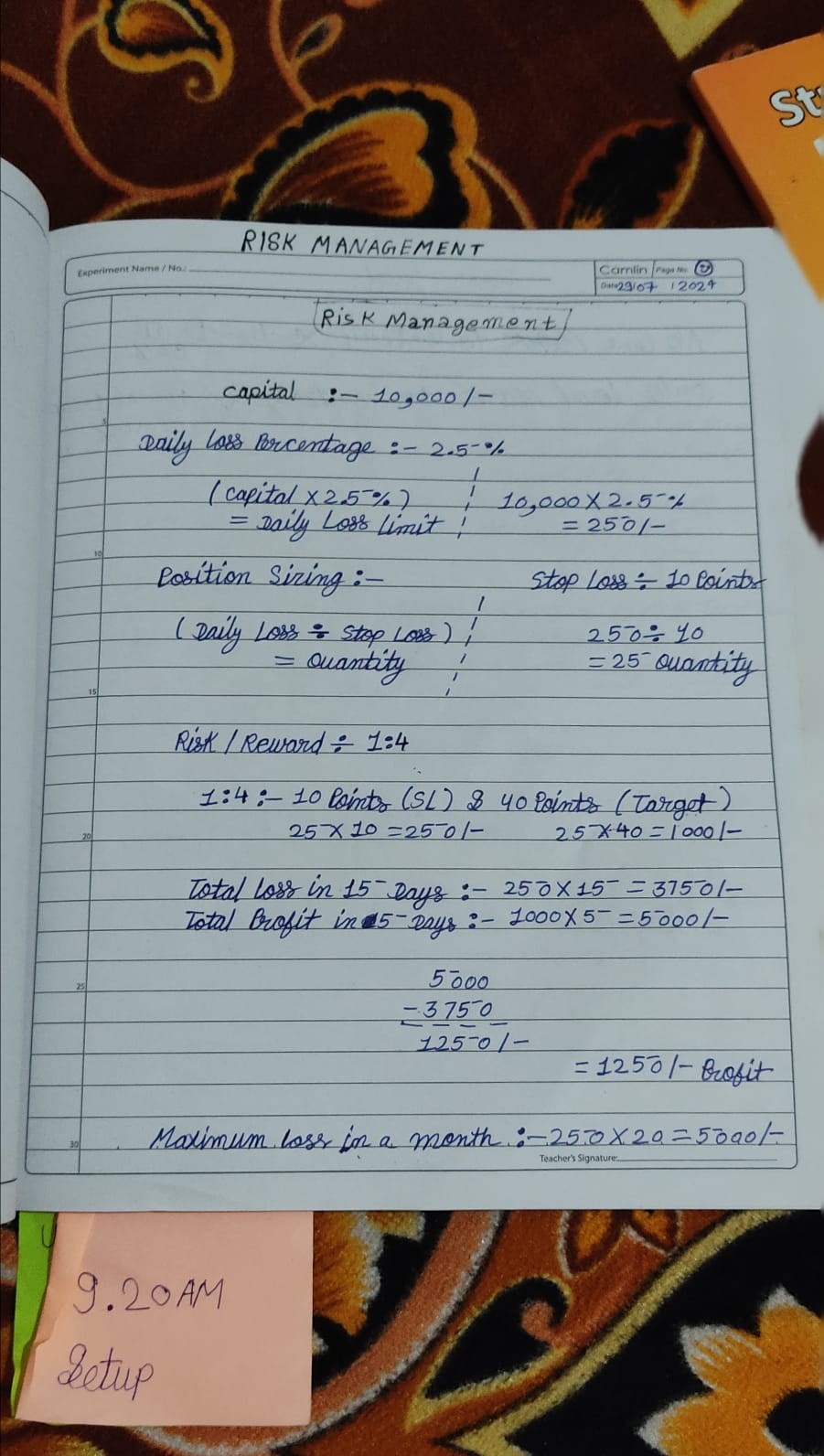
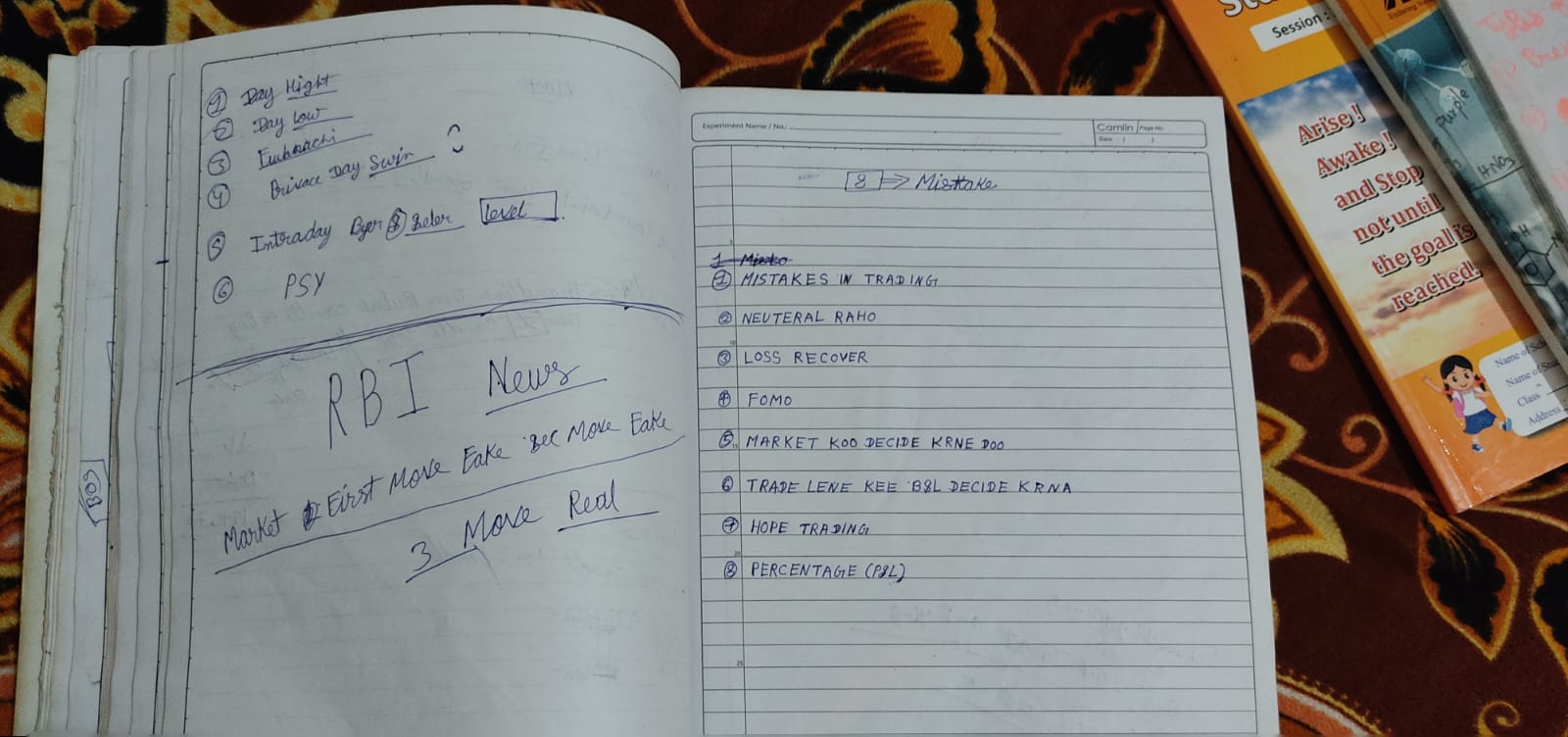
Attaching 4 snapshots of my daily grind. This discipline is the only thing that replaced ‘hope’ with actual ‘data’ for me.
Could you give some pointers for journaling? Any frameworks or checklist if you follow or do you just write whatever thought comes to your mind regarding the trade?
Sometime in the past I used to only write one point against a potential stock - reason for buying and it was almost always because it’s has a breakout point at so and so price. Needless to say, that habit didn’t last long.
Thanks for asking, @encore! To be very honest, just writing down random thoughts or reasons like “why I am buying this stock” never worked for me either. It doesn’t give you consistency. I stopped writing long stories and started focusing on real data.
I didn’t start with perfect rules; I actually started by tracking my mistakes first.
Instead of writing text paragraphs, I focused on looking at my trades month by month to find patterns. For example, I started tracking which specific days (like Monday, Tuesday, or Wednesday) my setups were actually working, and on which days they were failing. When you collect your journal data for a month and look at it together, you will realize that your losses are not random. They usually happen on specific days or in specific market situations.
So now, my framework is very simple. I don’t write what I “feel” the market will do. I only note down the date, the day of the week, the chart zone, the risk-reward (aiming for a clear 1:4 setup), and most importantly, what mistake I avoided before clicking entry.
Stop analyzing the stock with words. Start tracking the behavior of your own data and trades over time. That is the only way to move from hope to real confidence.